LoJack vs FortiTrak: Why Dealerships Are Making the Switch

A side-by-side look at how vehicle recovery technology has changed, and why dealerships relying on older RF-based systems are moving to real-time GPS protection.
LoJack vs FortiTrak dealership vehicle tracking comparison.

When it comes to LoJack vs FortiTrak, the real difference isn’t branding, it’s the technology underneath. For years, LoJack set the standard for stolen vehicle recovery using radio-frequency (RF) tracking.


It was a genuine leap forward in its era. But the way dealerships protect inventory has changed dramatically, and many lots that leaned on RF-based recovery for a decade or more are now rethinking whether reactive recovery is enough. This is a look at why, and what modern GPS-based protection changes for a dealership’s bottom line.

The Problem With Reactive Recovery

Older recovery systems like LoJack were designed around a single idea: help police find a car after it’s already been stolen. The transponder stays silent until a theft is reported, at which point law enforcement equipped with the right receiver can attempt to locate it. In its day, that was cutting-edge. The limitation is structural, though.


There’s no real-time visibility for the dealership, no alert the moment a vehicle moves, and recovery depends entirely on how quickly a theft is noticed, reported, and acted on by police with compatible equipment. For a lot holding dozens of high-value vehicles, “we’ll help you find it afterward” leaves a wide gap. Every hour a vehicle is gone is an hour it can be stripped, re-vinned, or driven across state lines.


That gap is the starting point for anyone comparing LoJack vs FortiTrak today.

The shift most dealerships describe is a mindset one: moving from “how fast can we recover a car after it’s stolen” to “how do we stop it from leaving the lot in the first place.” That’s the line that separates reactive recovery from proactive protection.

Enter: FortiTrak

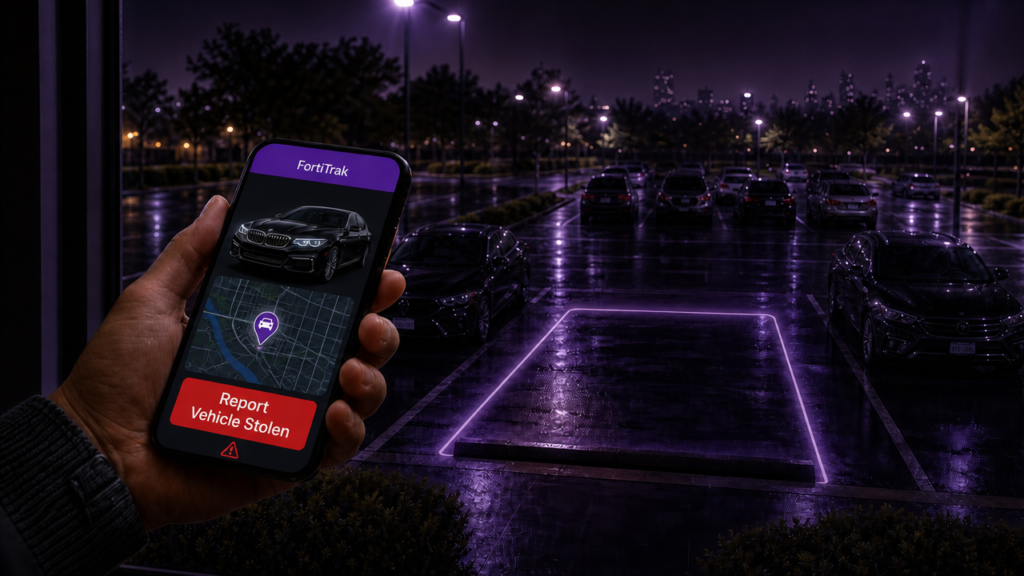
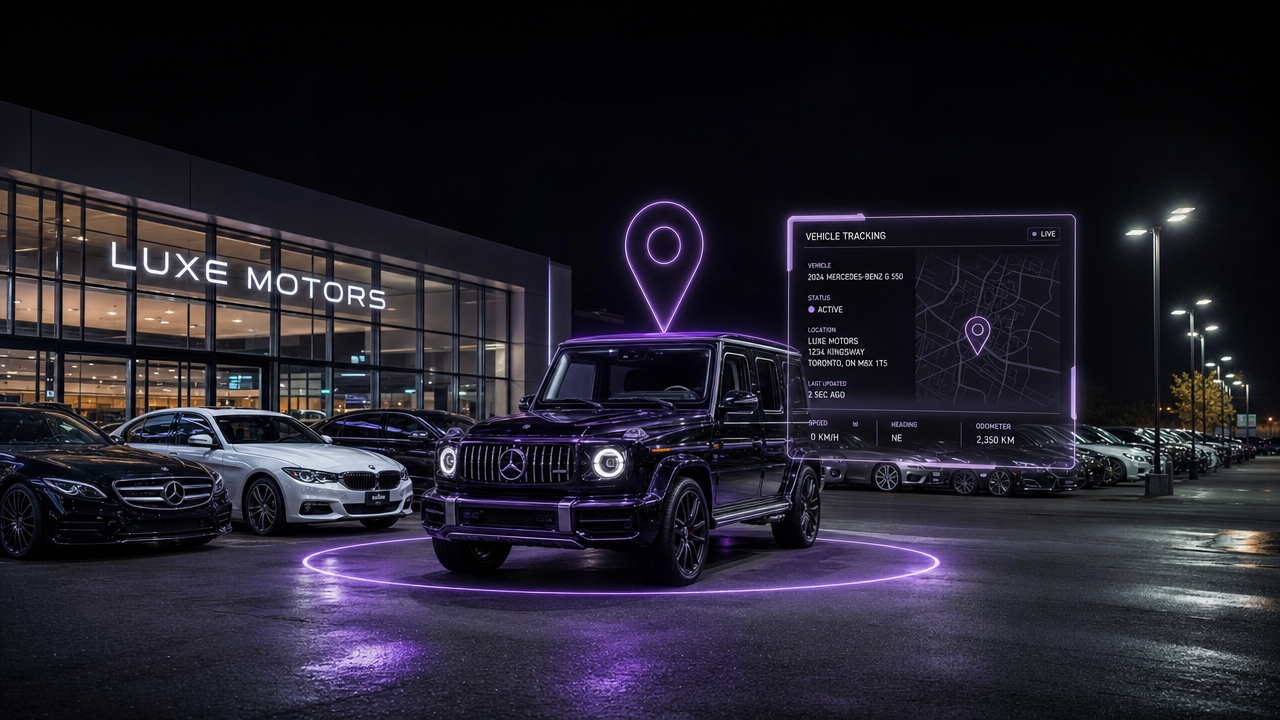
FortiTrak was built for the way theft actually happens today, fast, organized, and often overnight. Instead of a silent transponder waiting to be activated, FortiTrak gives dealerships live, always-on visibility through a single dashboard:


  • 24/7 real-time GPS location on every vehicle
  • Instant theft and movement alerts, day or night
  • AI-based risk monitoring that flags suspicious activity early
  • Geo-fencing to set boundaries per vehicle or per lot
  • Secure law enforcement integration for fast, coordinated recovery


Installation takes under 30 minutes per vehicle, and unlike a one-time embedded transponder, the dealership stays in control of the data the entire time.

LoJack vs FortiTrak: The Core Difference

The simplest way to understand the two is by what happens the moment a vehicle moves when it shouldn’t. With a traditional RF recovery system, nothing happens until someone notices the car is gone and reports it.


With FortiTrak, an alert fires in real time, the dealership sees the vehicle’s live location instantly, and recovery can begin within minutes instead of hours or days. One is a safety net that catches you after the fall.


The other is a guardrail that keeps you from falling in the first place. For a dealership weighing cost per vehicle against risk per vehicle, that difference compounds fast across an entire lot.

The ROI: More Than Just a Recovery

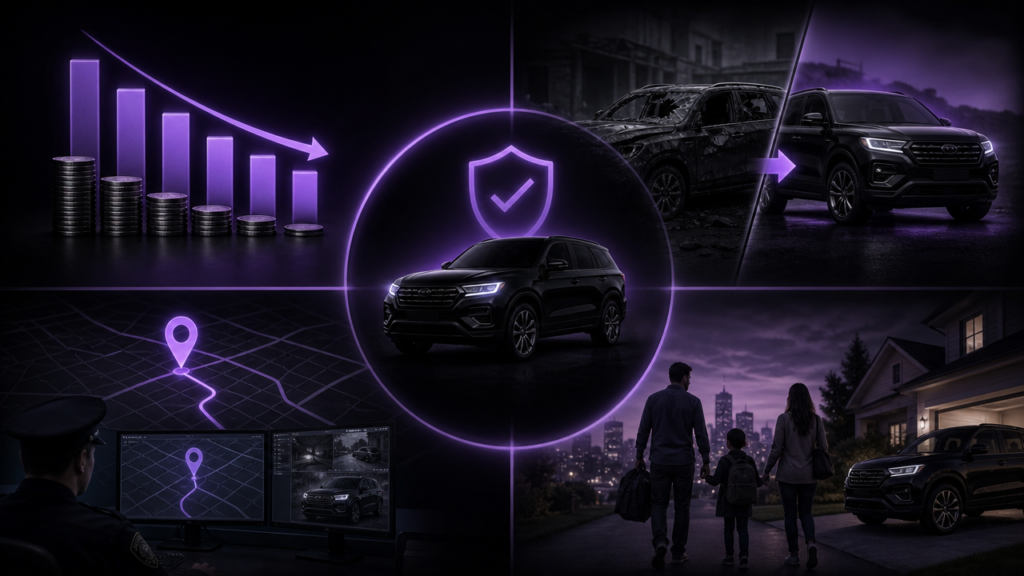
This single incident avoided:

  • $35,000+ vehicle cost
  • $2,500 insurance deductible
  • $5,000 in lost sale revenue
  • Hours of staff follow-up and stress


The dealership’s insurance premium was reduced by 12% the following month — thanks to proof of active tracking.
Traditional RF Recovery vs FortiTrak

Traditional RF Recovery (e.g. LoJack)

VS

The goal isn’t just to recover vehicles, it’s to feel like the entire lot is being watched over in real time. That kind of always-on visibility is what dealerships say they were missing with older recovery systems.

— Adam S., GM, Boston Auto Group

Why Dealerships Are Switching After 10 Years

When dealerships finally sit down and weigh LoJack vs FortiTrak, the decision usually comes down to speed.


Consider a dealership that ran an RF-based recovery system for a decade. It did its job in the sense that it existed, but over ten years the theft landscape changed underneath it. Thieves got faster and more organized, insurers got stricter, and the cost of a single loss climbed.


What finally tips a lot toward switching usually isn’t one dramatic event, it’s the slow realization that “we’ll help you find it later” no longer matches the speed of modern theft. Real-time visibility, insurance-ready reporting, and instant alerts aren’t luxuries anymore; for a lot full of high-value inventory, they’re the baseline. FortiTrak isn’t just a tracker, it’s a full-stack prevention platform:


  • Dual-power hardware (OBD + battery backup)
  • Real-time GPS tracking across every device
  • AI predictive risk alerting
  • Secure law enforcement dashboard
  • Insurance-ready documentation and reports

Could One Theft Wipe Out Your Month?

Most dealerships underestimate how expensive a single incident can be. With rising theft and tighter insurance policies, one lapse can cost $40K–$90K or more, and that’s only the direct hit. The ripple effects run deeper. There’s the downtime while staff chase paperwork and police reports instead of selling cars. There’s the hit to buyer confidence when word spreads that a lot isn’t secure.


There are the hours your team loses filing claims and coordinating with law enforcement. And once an insurer labels a lot as high risk, elevated premiums can follow the dealership for years. Against those compounding costs, the difference between reactive recovery and real-time protection stops being a technology debate and becomes a straightforward business decision.

Insurance Rewards Proactive Protection

Beyond stopping theft, real-time tracking gives dealerships something older RF systems never could: proof. FortiTrak’s tracking history and exportable reports let a dealership demonstrate active protection to its insurer, which can translate into better premiums and fewer disputes after an incident.


A silent transponder can’t show an insurer anything until a car is already gone. A live tracking record shows them a lot that’s actively managing its risk every single day.


It’s one more reason the LoJack vs FortiTrak conversation increasingly ends with dealerships choosing real-time protection.

Explore More Real Stories

Recoveries. Realerships. Results. See how FortiTrak helps protect inventory, cut insurance costs, and bring vehicles back before they disappear for good.

Have questions? Want to protect your lot before the next incident?